
- Admin
- No Comments
- December 2, 2025
What Is PPE?
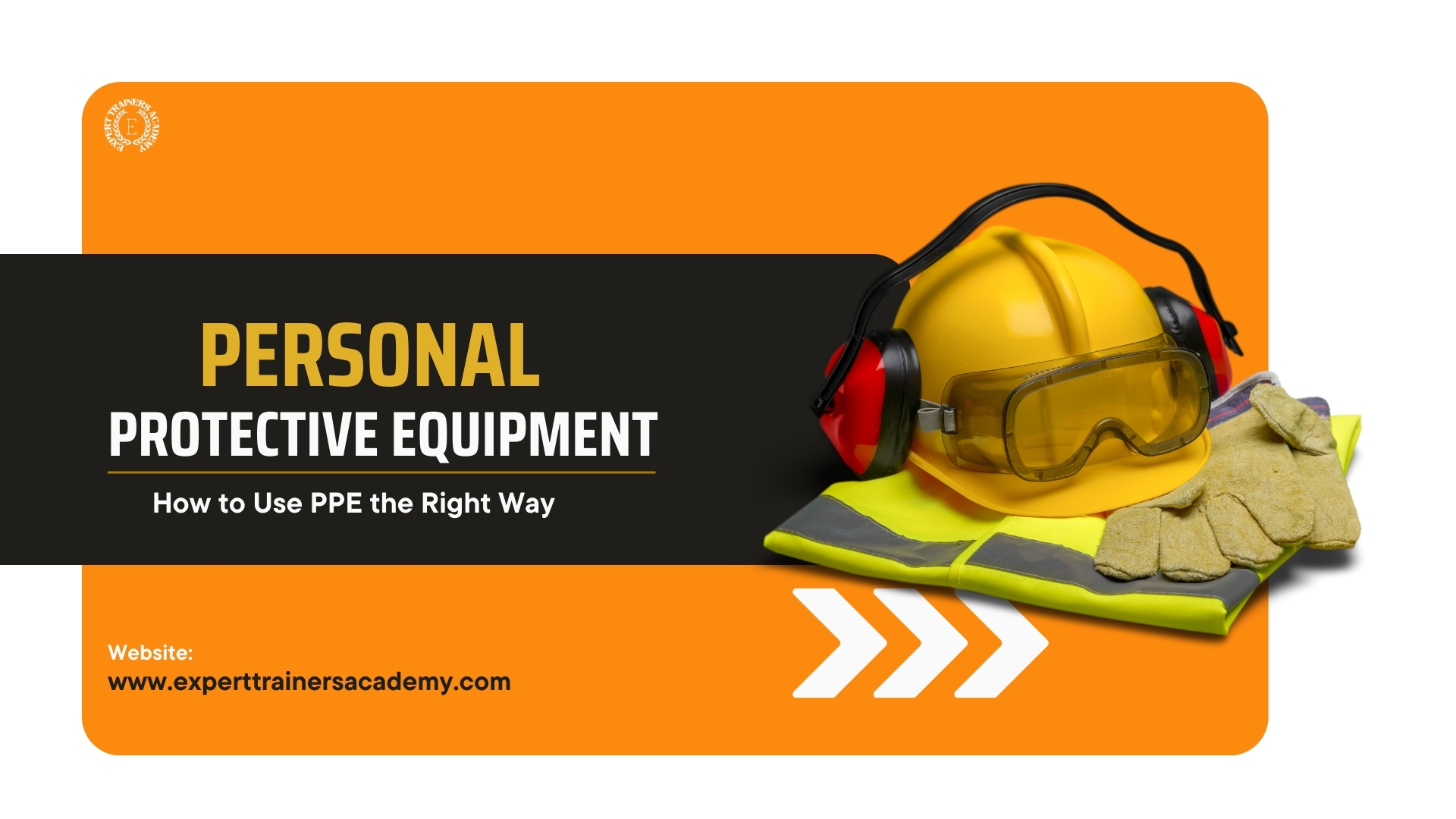
Personal Protective Equipment (PPE) refers to safety gear worn to protect workers from hazards such as infections, chemicals, sharp objects, and contamination. It acts as a protective barrier that reduces direct exposure and helps maintain a safe working environment across healthcare, industrial, laboratory, and cleaning settings.
Key Points
- PPE reduces risk of injury, infection, and contamination
- Used in healthcare, laboratories, construction, cleaning, and factories
- Includes gloves, masks, gowns, respirators, goggles, caps, and footwear
- Must be selected based on task and level of hazard
- Works best when worn and removed correctly
PPE is an essential safety tool that protects workers and ensures safer workplaces when used properly.
Why Is PPE Important?
PPE is important because:
- It reduces the chance of injury or infection
- It protects workers from harmful exposure
- It reduces contamination to other staff or the environment
- It is a required safety protocol for many industries
- It helps maintain a safer, healthier workplace
Even though PPE does not eliminate hazards, it significantly lowers the risk when used properly.
You Can Also Read: Difference Between ISO 45001 and ISO 9001
Types of PPE and Their Examples
Personal Protective Equipment (PPE) includes all the protective items workers use to reduce exposure to hazards like chemicals, infections, sharp objects, heat, or contamination. Each type of PPE serves a specific purpose and must be chosen based on the level of risk. Below are the main PPE categories along with simple descriptions, safety tips, and real workplace examples.
1. Gloves
Gloves protect your hands from direct contact with harmful substances such as blood, body fluids, chemicals, contaminated surfaces, and sharp objects. They are commonly used in healthcare, laboratories, cleaning, and industrial tasks. Proper glove selection helps reduce infection risks and maintains safety during procedures. Gloves should fit well and never be reused or washed after contamination.
Safety Tips
- Choose the correct size for a secure fit
- Do not reuse or wash disposable gloves
- Change gloves between tasks or patients
- Always perform hand hygiene before and after use
- Avoid powdered gloves to prevent allergic reactions
Examples
- Nitrile medical gloves
- Latex-free examination gloves
- Chemical-resistant gloves
- Cleaning and janitorial gloves
2. Gowns & Aprons
Gowns and aprons provide full-body protection against splashes, spills, and contamination during procedures. They are essential in healthcare settings, laboratories, and cleaning environments where exposure to fluids or infected materials is likely. Proper gown use prevents contamination of skin and clothing, reducing the risk of spreading harmful substances.
Safety Tips
- Ensure gown covers from neck to mid-thigh
- Sleeves must reach the wrist
- Gloves should cover gown cuffs
- Replace gown immediately if visibly soiled
- Never reuse disposable gowns
Examples
- Disposable isolation gowns
- Waterproof aprons
- Surgical gowns
- Plastic splash-resistant aprons
3. Masks (Surgical Masks)
Surgical masks protect the nose and mouth from droplets, splashes, and airborne moisture during close-contact tasks. They are commonly used in hospitals, cleaning operations, and public safety environments. These masks create a protective barrier that lowers the risk of inhaling harmful particles and also prevent users from spreading infectious droplets to others.
Safety Tips
- Ensure the mask fully covers nose, mouth, and chin
- Do not touch the front of the mask
- Replace mask if it becomes wet or damaged
- Do not share or reuse
- Remove using the ear loops or ties only
Examples
Three-layer surgical mask
Ear-loop medical mask
Tie-on medical mask
4. Respirators (N95 / FFP2)
Respirators offer high-level air filtration and protect users from inhaling aerosol particles, airborne infections, fine dust, and hazardous fumes. These are essential in high-risk environments such as infection-control units, construction sites, laboratories, and industrial settings. Proper fit testing and seal checks are critical for respirators to function effectively and deliver maximum protection.
Safety Tips
- Perform a seal check before each use
- Do not use respirators with exhalation valves for infection control
- Avoid touching the outer surface after use
- Replace respirator if breathing becomes difficult
- Follow manufacturer instructions for wearing/removal
Examples
- N95 respirator
- FFP2 respirator
- KN95 mask
- Cup-shaped medical respirator
5. Eye Protection (Goggles & Face Shields)
Eye protection shields the eyes from splashes, dust, chemical fumes, or infectious droplets. Goggles fit tightly around the eyes, while face shields cover the entire face for broader splash protection. They are widely used in healthcare, laboratories, factories, and cleaning tasks where exposure to harmful materials is common.
Safety Tips
- Use anti-fog goggles for clear visibility
- Ensure goggles fit snugly around the eyes
- Avoid touching the front of the face shield
- Clean and disinfect reusable items
- Do not rely on eyeglasses as eye protection
Examples
- Indirect-vented safety goggles
- Full-face protective shield
- Medical-grade splash goggles
6. Caps (Head Protection)
Caps protect hair and scalp from contamination in environments where splashes, droplets, or dust exposure is possible. They are frequently used in hospitals, cleanrooms, laboratories, and food-processing areas. Caps help maintain hygiene, prevent shedding of hair, and reduce contamination during close-contact work or medical procedures.
Safety Tips
- Ensure the cap fully covers all hair
- Avoid touching hair after wearing gloves
- Dispose of single-use caps immediately after use
- Remove cap carefully without touching clothing
- Perform hand hygiene after removal
Examples
- Disposable bouffant caps
- Surgical head covers
- Non-woven hair nets
7. Footwear Protection
Footwear PPE protects feet from spills, heavy objects, sharp items, bodily fluids, and contaminated surfaces. It is used in hospitals, construction sites, laboratories, and industrial areas. Proper footwear reduces the risk of slips, falls, contamination, and injuries. Some tasks may require waterproof, chemical-resistant, or reinforced boots.
Safety Tips
- Wear slip-resistant or waterproof footwear
- Use disposable shoe covers for contamination control
- Replace damaged or torn footwear immediately
- Do not use footwear from non-clean areas inside sterile spaces
- Clean and disinfect reusable boots
Examples
- Rubber boots
- Disposable shoe covers
- Chemical-resistant safety boots
- Anti-slip protective footwear
PPE Safety Requirements
To ensure PPE is effective, the following safety rules must be followed:
- Wear PPE only when required and choose the right type for the task
- Ensure PPE fits properly for maximum safety
- Replace damaged, torn, or contaminated PPE immediately
- Do not reuse disposable PPE
- Follow correct donning (wearing) and doffing (removal) steps
- Perform hand hygiene before and after wearing PPE
- Store PPE in a clean, dry place
- Follow your workplace safety guidelines
PPE Safety Examples
Healthcare Example
Laboratory Example
Construction Example
Cleaning Staff Example
PPE Safety Training (Expert Trainer Academy)
Proper training is essential to ensure PPE is used correctly, safely, and confidently in any workplace. Even the best equipment can fail if workers do not know how to wear, handle, or remove it properly. Expert Trainer Academy provides comprehensive PPE training programs designed to improve safety standards across all industries.
Our PPE Training Covers:
- How to choose the right PPE based on hazard level and job requirements
- When PPE is required according to workplace safety protocols
- How to wear and remove PPE safely, step-by-step
- How to avoid self-contamination during and after tasks
- Workplace-specific PPE rules tailored to different industries
- Emergency PPE practices for high-risk or unexpected situations
Expert Trainer Academy training ensures every worker understands not just what PPE to use, but how and why to use it.
This training helps workers stay confident, safe, and fully prepared to handle hazardous situations effectively and responsibly.
Empower Your Career with Expert Trainers Academy
Overall
PPE protects you from exposure to hazards such as chemicals, infections, dust, or physical injuries.
Most PPE items like gloves, masks, and caps are single-use, and should be discarded after use.
- Gloves
- Hand hygiene
- Gown
- Hand hygiene
- Eye protection and cap
- Mask or respirator
- Hand hygiene