
- Admin
- No Comments
- February 2, 2026
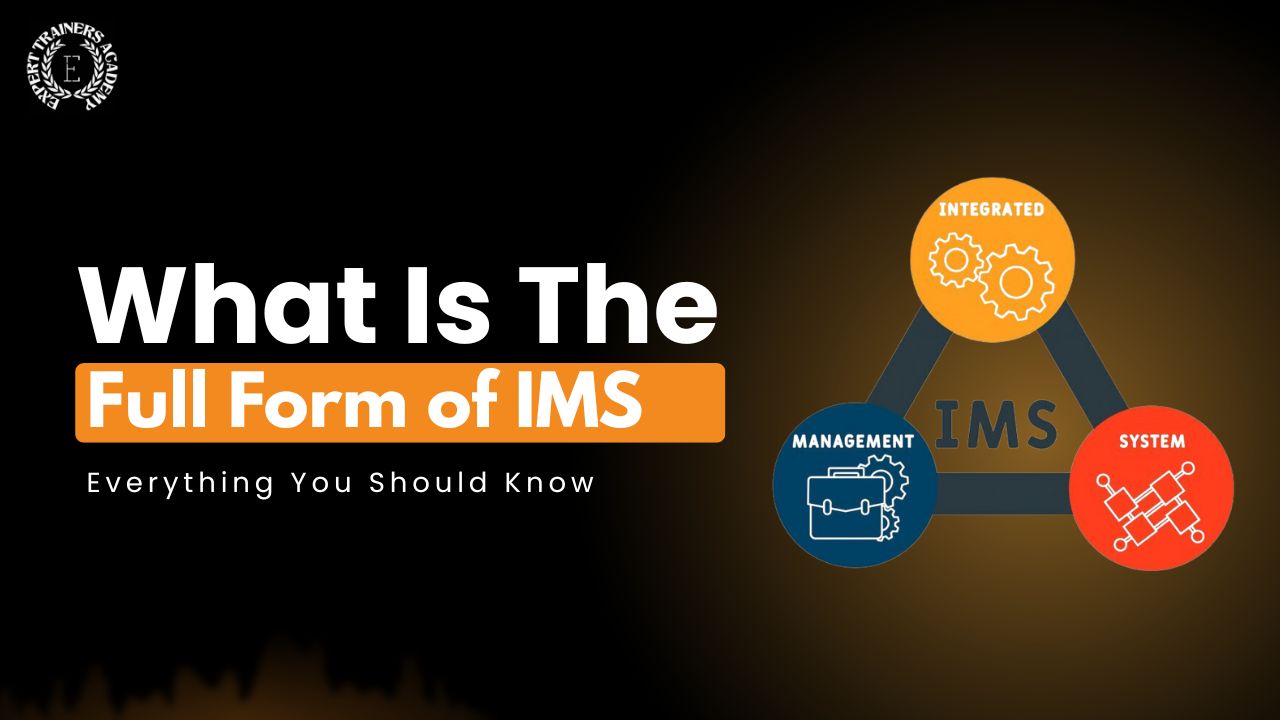
The IMS full form is Integrated Management System. An Integrated Management System is a single framework that combines multiple ISO management standards into one structured system. It helps organizations manage quality, safety, and environmental responsibilities efficiently and consistently.
Many people ask what is IMS, especially students and professionals preparing for audits, certifications, or interviews. IMS is designed to reduce duplication of work and improve overall organizational performance.
What Is an Integrated Management System (IMS)?
An Integrated Management System (IMS) integrates different ISO standards so they work together as one system instead of operating separately. The most commonly integrated standards include:
- ISO 9001:2015 – Quality Management System
- ISO 14001:2015 – Environmental Management System
- ISO 45001:2018 – Occupational Health and Safety Management System
By integrating these standards, organizations avoid duplicated procedures and documentation. IMS ensures that quality, environmental responsibility, and employee safety are managed together rather than separately.
You Can Also Read: Integrated Management System ISO 9001 ISO 14001 ISO 45001
Why Is IMS Important for Organizations?
IMS plays a crucial role in helping organizations operate efficiently and responsibly. Managing multiple systems individually can be complex and time-consuming. IMS simplifies this process by creating a common structure.
IMS is important because it:
- Improves coordination between departments
- Reduces operational and administrative costs
- Ensures consistent policies and objectives
- Enhances compliance with ISO standards
- Supports continuous improvement
By using IMS, organizations can focus more on performance improvement rather than system maintenance.
How Does an IMS Work?
An Integrated Management System works by aligning common processes across different standards. Many ISO requirements overlap, such as documentation control, risk management, audits, and management reviews. IMS combines these shared elements into one system.
Key processes in an IMS include:
- Unified documentation and record control
- Integrated risk assessment and management
- Combined internal audits
- Single management review meetings
- Coordinated corrective and preventive actions
This integrated approach makes implementation and monitoring much easier.
Key Components of an Integrated Management System
An effective IMS includes several core components:
1. Leadership and Policy
Top management defines integrated policies covering quality, environment, and safety. Leadership commitment is essential for successful IMS implementation.
2. Planning
Organizations identify risks, opportunities, legal requirements, and objectives for all integrated standards.
3. Support
This includes training, awareness, communication, and availability of resources to maintain the system.
4. Operation
Operational processes are designed to meet quality requirements while protecting the environment and ensuring worker safety.
5. Performance Evaluation
Monitoring, measurement, internal audits, and management reviews are carried out to assess system effectiveness.
6. Improvement
Corrective actions and continuous improvement are applied based on audit findings and performance results.
Types of Audits in an IMS
Auditing is a key part of any Integrated Management System. Different types of audits help ensure system effectiveness:
- Internal Audits – Conducted by the organization to check compliance and performance
- External Audits – Conducted by customers or external bodies
- Certification Audits – Performed by certification bodies for ISO certification
- Surveillance Audits – Periodic audits to maintain certification
These audits help identify gaps and areas for improvement.
What Is IMS Audit?
An IMS audit evaluates whether the Integrated Management System is properly implemented and maintained. Audits ensure compliance with ISO standards and help identify gaps and improvement opportunities.
What Is IMS Audit Full Form?
IMS audit full form remains Integrated Management System Audit.
IMS Audit Checklist
An IMS audit checklist helps auditors review compliance with ISO 9001, ISO 14001, and ISO 45001 requirements. A typical integrated management system audit checklist covers:
- Organizational context
- Leadership and strategy
- Planning and risk management
- Support and resources
- Operational control
- Performance evaluation
- Improvement actions
Using a checklist ensures audits are consistent and effective.
What Is IMS Integrated Management System Used For?
The IMS integrated management system is used to:
- Improve quality and customer satisfaction
- Enhance workplace safety
- Protect the environment
- Reduce legal and compliance risks
- Improve operational efficiency
It is widely adopted in manufacturing, construction, healthcare, IT, and service industries.
Benefits of an Integrated Management System
Implementing IMS offers several long-term benefits, such as:
- Reduced duplication of work and documentation
- Improved operational efficiency
- Better risk management
- Enhanced employee safety
- Improved environmental performance
- Increased customer trust and satisfaction
- Easier compliance with legal and regulatory requirements
Overall, IMS helps organizations achieve sustainable growth.
Who Can Use an Integrated Management System?
IMS can be implemented by organizations of any size and industry, including:
- Manufacturing and production units
- Construction and engineering companies
- IT and software firms
- Healthcare organizations
- Educational institutions
- Service-based businesses
Both small and large organizations benefit from IMS due to its flexible structure.
IMS for Students and Professionals
For students, understanding the full form of IMS is useful for academic exams, interviews, and management studies. For professionals, IMS knowledge is valuable for roles such as:
- Quality managers
- Safety officers
- Environmental managers
- Internal auditors
- Compliance and risk managers
IMS expertise improves career opportunities in multiple industries.
Challenges in Implementing IMS
While IMS offers many benefits, some challenges may arise, such as:
- Initial implementation costs
- Need for staff training
- Resistance to change
- Lack of awareness or expertise
These challenges can be managed through proper planning, training, and management support.
You Can Also Read: Roles and Responsibilities of a Safety Officer
Choose Expert Trainers Academy for Integrated Management System Training
If you want practical and easy-to-understand Integrated Management System (IMS) training, Expert Trainers Academy is a smart choice for students and working professionals.
Why Choose Expert Trainers Academy?
- Expert-led training on Integrated Management System (IMS)
- In-depth coverage of ISO 9001, ISO 14001, and ISO 45001
- Simple explanation of IMS audits and audit checklists
- Focus on real-world implementation, not just theory
- Guidance from experienced industry professionals
- Ideal for beginners, auditors, and safety professionals
- Helps build confidence for certification, audits, and career growth
The training programs are designed to make complex ISO concepts simple and practical, ensuring learners gain both knowledge and hands-on skills.
Whether you are starting your career or upgrading your skills, Expert Trainers Academy provides reliable and effective Integrated Management System training to support your professional growth.
Start Your Integrated Management System Training
Overall
The full form of IMS is Integrated Management System. It is a powerful and practical approach that helps organizations manage quality, environmental, and occupational health and safety requirements within a single framework. By implementing IMS, organizations can improve efficiency, reduce risks, and achieve long-term compliance and success.